

NK India

Digital Transformation at NKI

Real-time project governance with PMIS, data & analytics, and enterprise workflows—deployed across complex infrastructure programs.

Overview

Nippon Koei India’s Digital Transformation program unifies ERP, PMIS, BIM/CAD, dashboards, and workflow automation to enhance decision-making across the project lifecycle—planning, execution, monitoring, and reporting. The approach is device-agnostic (mobile, tablet, desktop), intuitive for field teams, and aligned with government and funding-agency compliance.

ERP (SAP)

SAP Implementation within the organisation to digitise all the internal processes to improve efficiency and ensure seamless integration across various business functions. The implemented modules include Success Factors (SF), Customer Experience (CX) and S4Hana including Finance & Controlling (FICO), Materials Management (MM), Project Systems (PS), Sales & Distribution (SD). This comprehensive SAP deployment enables real-time data visibility, streamlined workflows, automated reporting, and enhanced compliance with statutory and regulatory requirements. The ERP system is accessible across devices, supports role-based access control, and is fully aligned with the organisation’s digital transformation objectives.

PMIS (Platform)

The Project Management Information System (PMIS) is a cloud-hosted, collaborative environment providing package structuring, contract workflows, RFIs, quality inspections, document & drawing management, financial verification, and real-time dashboards. It integrates with Primavera/MS Project and supports rich visualization via BIM/CAD.

Key Highlights

  1. Real-time physical & financial progress tracking
  2. Standardized inspection templates & RFI approvals
  3. Secure access control, audit logs, and encrypted backups
  4. No specialized training required; accessible across devices

Projects (Selected Implementations)

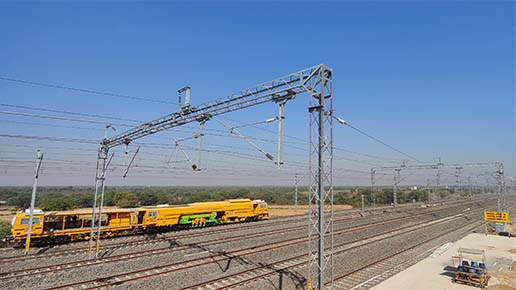
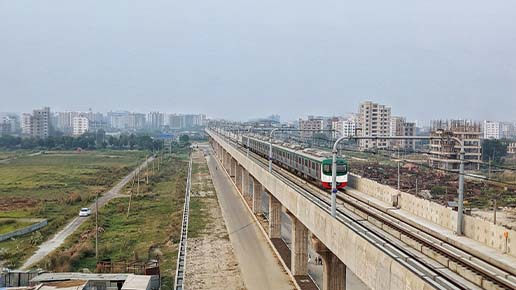
The PMIS was leveraged to facilitate seamless coordination among stakeholders, automate key workflows, and enhance transparency in project execution. The implementation covered modules such as document management, contract administration, progress monitoring, and real-time analytics, ensuring timely and compliant delivery across multiple infrastructure initiatives in the capital region.
Modules implemented include project/package management, communication & notifications, RFIs, quality & safety, drawing/document management, data & analytics, invoices & payments, equipment & manpower management.
PMIS enabled multi-module tracking—data & analytics for physical/financial progress, RFIs, quality, and contractor payments.
PMIS deployed for multi-stakeholder coordination, compliance, and module-wise monitoring.
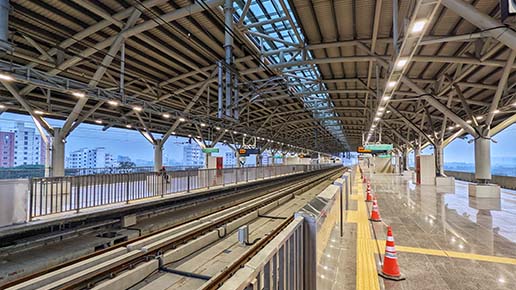
PMIS modules implemented for building construction management, stakeholder management, progress monitoring, and compliance.

Modules & Capabilities

  1. Project/Package Management & Stakeholders
  2. Communication & Collaboration (process-based notifications)
  3. Work & RFI Management (web/mobile approvals)
  4. Quality & Safety (digital inspection forms, lab tests, site photos)
  5. Contracts, Invoices & Payments (BoQ verification vs. certified quantities)
  6. Drawing Review with Collaboration & Document Management
  7. Data & Analytics (live dashboards, decision support)
  8. Equipment, Inventory & Manpower Management

Studies: Successfully complete under JICA Loan / Grant with Govt. of India (States)

  • Scope: Preparatory survey and DX roadmap for Haryana Agriculture & Horticulture Department.
  • Focus Areas:
    1. Agricultural data development and utilization
    2. Agri Stack integration
    3. DX in wholesale markets and farmer-centric services
    4. Facility design proposals and beneficiary effect calculations
  • Key Deliverables:
    1. TOR-based outputs on laws, regulations, and infrastructure for DX
    2. Stakeholder interviews and inception reports
  • Impact: Introduced automated digital solutions for farming processes and departmental workflows.
  • Objective: Transform fisheries sector through ICT and SaaS platform.
  • Components:
    1. Digital services for fish farmers and department officers
    2. Online training, extension, and technical consultation
    3. e-Procurement, e-Insurance, e-Accounting modules
    4. MIS for program management and reporting
  • Expected Outcomes:
    1. Increased fish production and productivity
    2. Climate-resilient aquaculture practices
    3. Enhanced livelihoods and blue economy promotion
  • Platform Features:
    1. Single Sign-On (SSO)
    2. Cloud-hosted, device-agnostic access
    3. Integrated cold chain and feed mill infrastructure support
  • Impact: Assam Fisheries Digital Transformation (HIMS) is expected to drive sectoral growth, resilience, and inclusivity, ultimately improving the welfare of fish farmers and supporting the state's sustainable development goals.